

10 Perennials Easily Grown From Seed
Because this bunch is simple to start, you’ll save money and get more plants
Home gardeners often assume that starting perennials from seed is more difficult than sowing annual flowers or vegetables, when, in fact, it is as easy to start a primrose as it was to germinate that bean in a cup back in grade school. Considering the many benefits of starting perennials from seed, it seems foolish not to do it. Seed is economical, and in short order, you can produce flats of plants that would cost hundreds of dollars to purchase retail, which is great if you have a large or new garden or are on a tight budget. Many plants must be grown from seed because they are otherwise unobtainable or difficult to propagate any other way, and seedlings often establish better than large plants. I am more willing to experiment and less apt to rue plant losses when I know I have an inexpensive, ready source available. Abundant supply also means there are plants to spare and to share.
How does one go about growing perennials from seed, and what are the best plants for beginners to start with? First, dispense with the fallacy that gardeners grow seedlings. Seeds want to grow, and as a propagator, you simply get them started and get out of their way. Success follows if you approximate as closely as possible the conditions the seed would naturally encounter. Rather than cosseting the seeds indoors, for example, plant them in pots outside and let the natural freeze-thaw cycles perform their magic.
As far as timing is concerned, most cold-hardy perennial seeds like a long cold period before they will germinate. Seeds started in December or January will greet you in the spring with more seedlings than you could ever hope for.
The overwhelming majority of perennials grow just fine using my basic seed-starting method (below). There are, however, some genera that are especially easy to grow from seed. Here are 10 surefire plants to try.
Learn more: Some seed require pre-treatment.
1. Allium blooms in several shapes and sizes
Name: Allium spp. and cvs.
USDA Hardiness Zones: 3–11
Size: 4 to 60 inches tall
Conditions: Full sun; fertile, well-drained soil
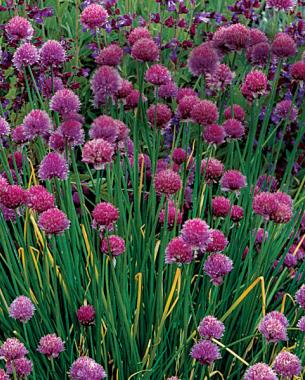
Among dozens of showy cousins, densely flowering chive (A. schoenoprasum, Zones 5–11, right) and our jaunty native nodding onion (A. cernuum, Zones 4–8) are superb subjects to grow from seed. Their fibrous roots do not like to dry out; therefore, you will not find them in bulb bins anywhere. This giant genus has enormous variability, and because the finest varieties are not widely available in nurseries, I always have lots of allium seed pots in my frames. Almost all alliums benefit from being sown late fall to midwinter. If you sow them in the spring, they may not emerge for a whole year.
2. Penstemon returns reliably from seed
Name: Penstemon spp. and cvs.
Zones: 3–10
Size: 3 to 72 inches tall and 6 to 24 inches wide
Conditions: Full sun to partial shade; fertile, well-drained soil
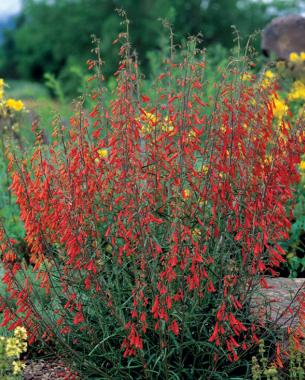
Because this genus tends to be short-lived, growing it inexpensively from seed is a great way to keep a steady supply of these wonderfully tough perennials in your garden. Scarlet bugler penstemon (P. barbatus, Zones 4–9, right) and ‘Bandera’ Rocky Mountain penstemon (P. strictus ‘Bandera’, Zones 3–8) are two reliably performing natives in this genus. A few desert and alpine penstemons will germinate within a week or two of sowing, but I find the bulk of this genus responds to a long winter freeze-thaw cycle. Penstemon seed is long-lived; in fact, I get better and quicker germination from seed that is a few years old.
3. Hardy ice plant can cover a lot of ground
Name: Delosperma spp. and cvs.
Zones: 5–11
Size: 2 to 5 inches tall, spreading indefinitely
Conditions: Full sun, protected from wind; sharply drained soil
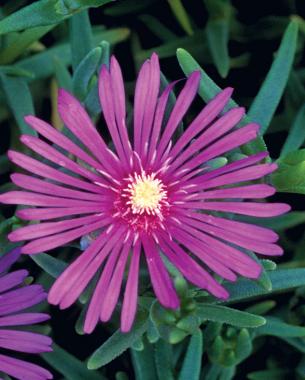
The fast-growing South African species D. cooperi (Zones 5–9, right) is hardier than most hardy ice plants, many of which have become popular in recent decades for their vibrant blooms and attractive succulent foliage. Though they can be reproduced from cuttings, they are even more easily grown from seed. The tiny, dustlike seed will not tolerate being frozen in a pot, so wait until danger of frost has passed in late spring to propagate. In warm weather, the plants will come up quickly and can bloom within a few months if fed with a fertilizer. In colder regions, be sure to plant out seedlings in the first half of the summer because they need to become established to survive their first winter.
4. Primrose is a classic for shade or sun
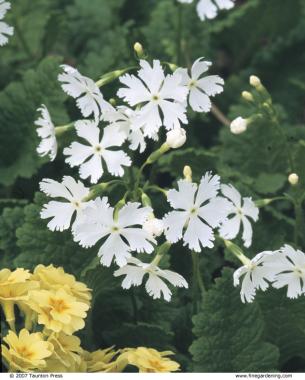
Name: Primula spp. and cvs.
Zones: 3–8
Size: 2 to 18 inches tall and 6 to 20 inches wide
Conditions: Full sun to deep shade; moist, well-drained soil
Primroses are a garden favorite that can be difficult to grow, but this vast genus of woodland and alpine gems is one of the easiest to start from seed. Shade-tolerant Japanese woodland primroses (P. sieboldii and cvs., Zones 4–8), like ‘Snowflake’, need a cold winter cycle, but sun-loving Himalayan primrose (P. sikkimensis, Zones 4–8) germinates under warm conditions. I have produced husky plants of both in a sunny window through the winter months, though they grow best when sown outside in the winter and experience a natural freeze-and-thaw cycle.
5. Silene is quick to naturalize
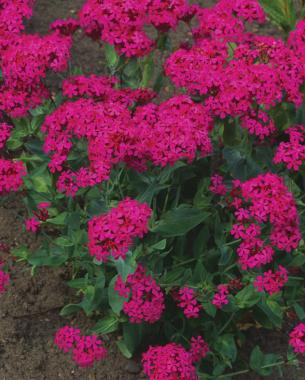
Name: Silene spp. and cvs.
Zones: 3–9
Size: 2 to 32 inches tall and 6 to 24 inches wide
Conditions: Full sun to light shade; moderately fertile, well-drained soil
Few genera are as varied in growth habit and form as Silene, which ranges from tiny alpines to giant border monsters. The one thing all members of the genus share is an accommodating temperament to grow from seed. You are apt to end up with plants of annual sweet William catchfly (S. armeria, right) whether you sow this seed or not because it is a prolific self-sower, is often sent out under different names, and can be a rogue in many packets of other species seed. ‘Persian Carpet’ catchfly (S. schafta ‘Persian Carpet’, Zones 4–8) makes a good rock-garden or trough plant.
6. Pink is simple and fragrant
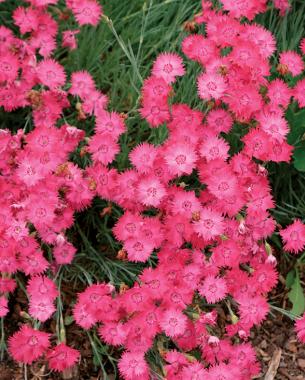
Name: Dianthus spp. and cvs.
Zones: 3–10
Size: 3 to 28 inches tall and wide
Conditions: Full sun to light shade; neutral to alkaline soil with good drainage
Its ease in all manners makes Dianthus a good genus for beginning seed starters. Try cheddar pinks (D. gratianopolitanus cvs., Zones 4–8, right) and modern border pinks (D. plumarius cvs., Zones 4–9), which are especially fragrant and variable in color. As one of my favorite genera to grow from seed, the endlessly variable, mat-forming pinks respond to midwinter sowing. Fresh seed germinates so thickly that, come spring, my Dianthus seed pots are typically covered with a dense turf of linear leaves. The tangled roots are easily separated, and the seedlings never suffer from shock, no matter how roughly handled.
7. Draba likes dry conditions
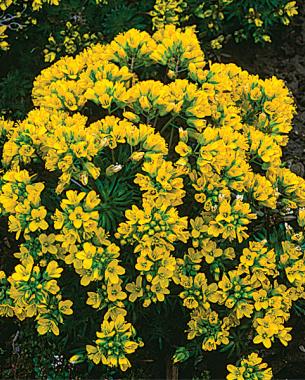
Name: Draba spp.
Zones: 4–6
Size: 4 inches tall to 10 inches wide
Conditions: Full sun; well-drained soil
These delightful, drought-tolerant miniatures will thrive in a trough, in a niche in a rock wall, or along the edge of a xeriscape. Their huddled, spiny rosettes are lustrous green through the winter, and their cheerful white or yellow flowers arrive in early spring. Two toughies in the genus are yellow whitlow grass (D. aizoides, right) and Spanish draba (D. hispanica). Sown in December or January for spring germination, draba seedlings are tiny for a long time, but they can sit in the pot for ages before being transplanted. Drabas often bloom in the original seed pot before I have time to get them in the ground.
8. Lupine comes in every color
Name: Lupinus spp. and cvs.
Zones: 4–8
Size: 4 inches to 6 feet tall and wide
Conditions: Full sun; average, moist soil
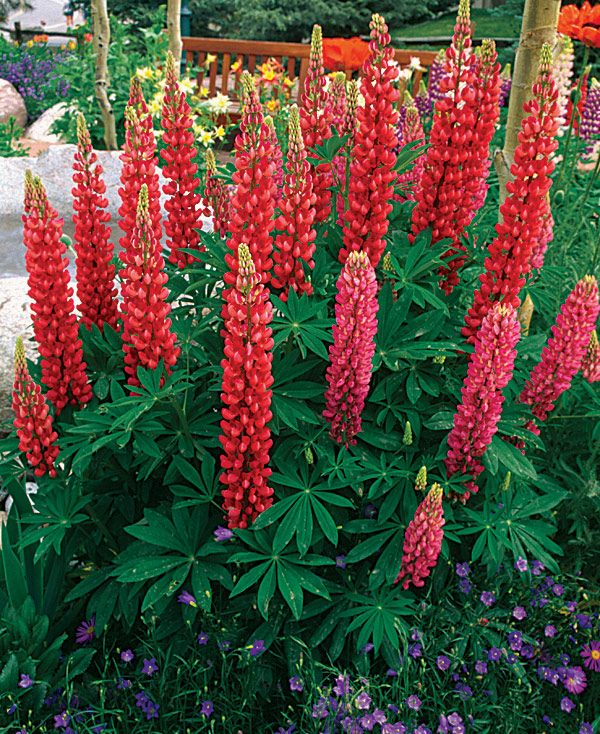
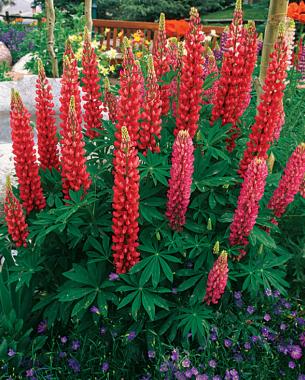
Though their flowers are amazing, many gardeners won’t grow lupines because the plants are fussy about soil and often fail to come back a second year. What better reason to start them cheaply from seed? The Russell hybrid lupines (right) are the best choice because they are widely available and come in myriad colors. Like beans, lupines are legumes, so they produce large, beanlike seeds. They can be a tad slow to germinate without winter stratification, so many veteran seed starters lightly abrade the seed coat with sandpaper to allow water to penetrate and to speed germination. Legume seeds are long-lived and will come right up even if old. I have heard tales of lupines that germinated after decades of storage.
9. Native columbine is bright and tough
Name: Aquilegia spp. and cvs.
Zones: 3–8
Size: 4 to 36 inches tall and wide
Conditions: Full sun to partial shade; fertile, moist, well-drained soil
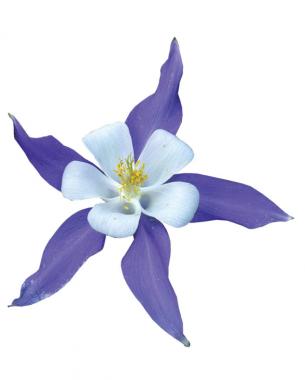
Rocky Mountain columbine (A. caerulea, Zones 4–7, right) and Canada columbine (A. canadensis, Zones 3–8) are two beautifully hued, hearty, and rewarding native columbines to grow from seed. The key to starting columbines is making sure you have fresh seed. If your seed is less than a year old and sown in winter, you can expect successful spring germination. The seedlings look like a miniature version of the characteristic trefoil leaves found on adult columbines, and they grow lustily no matter how small or large they are when you transplant them to individual pots. Some species can sit in their original seed pot for years.
10. Wild buckwheat is an up-and-comer
Name: Eriogonum spp.
Zones: 3–11
Size: 3 inches to 5 feet tall and wide
Conditions: Full sun; poor, gritty, sharply drained soil
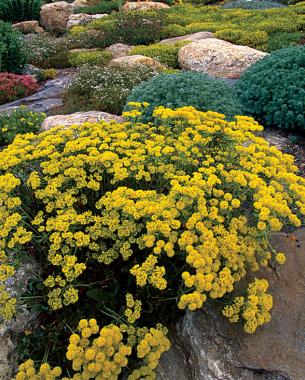
Wild buckwheats have assumed star roles in drought-tolerant landscapes throughout the West, and none is more useful than sulfur flower (E. umbellatum, Zones 3–8, right). Selections of this genus vary in size and habit, but all produce wonderful evergreen foliage with brilliant blooms from late spring through late summer. Long-lived, this perennial is so adaptable that it also thrives in humid climates. The seed of wild buckwheat are oblong and nutlike. Sow them in winter, and with some freezing and thawing, expect a thick crop of seedlings come April and May, which will produce husky plants by summer’s end.
Getting started with seeds
Save money by making your own mix
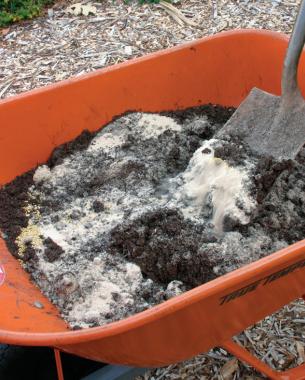
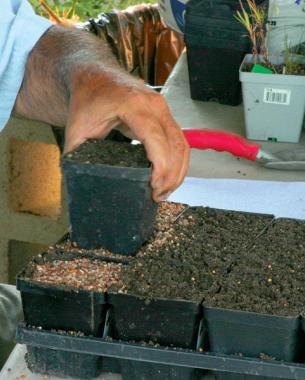
Making seed-starting soil is easy, fun, and less expensive than purchasing a premade mix. First, put two parts compressed, peat-based soil-less potting soil, like Fafard #2 or Metromix, in a trug or wheelbarrow. (Coir is an acceptable substitute.) Add one part clean, washed sand (sand for children’s sandboxes is ideal) to improve drainage. Add 1 tablespoon of slow-release fertilizer pellets, such as Sierra Blend or Osmocote, for every cubic foot of ingredients to provide ongoing nourishment. Mix it all together. Use packaged materials that are clean and sterile for a mix that feels light and crumbly.
A top dressing of gravel helps seeds get started
Take any plastic pot you have at hand, and fill it loosely with potting mix flush to the brim. Tamp the soil, leaving a quarter inch or so of space below the rim. Sow the entire packet of seeds in a single pot. Sow large seed (lupines, for example) directly on the soil mix, and top-dress with sterile aquarium gravel the size of BBs. Sow fine seed directly onto a top dressing of sterile aquarium gravel. Do not bury the seeds. This topdressing method keeps the soil beneath evenly moist and provides a sterile zone for the stems of germinating seeds. This minimizes damping off, a dread fungus that can cause mass seedling die-off.
Water gently and wait patiently
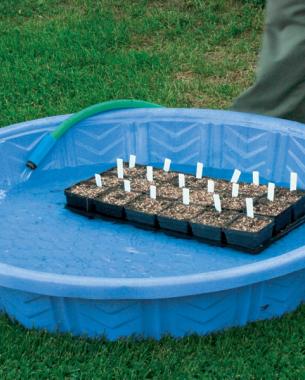
So as not to disturb the seed scattered in the top dressing, water the seed pots from the bottom up using any shallow basin filled with just enough water to rise to within an inch below the seed-pot rims. Let soak for 15 minutes until the soil is wet to the top. Place the seed flats in a sunny area protected from wind. If you have protracted, dry winter weather, you may have to water the seed pots a few times with a gentle spray. Be patient. Some genera require several seasons to germinate.
Prick out individual seedlings
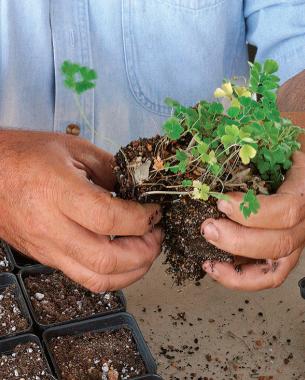
“Pricking out” is when you separate the seedlings in the pot they were sown in to individual small pots where they can grow to become full-fledged plants. Pots that are 2¼ inches square filled with a sterile potting mix are perfect for potting on a single seedling. Carefully pull the root-ball of seedlings apart, and place each individual seedling into its own pot. Protect the new seedlings from the midday summer sun with a shade cloth for a month or two to help them survive the shock of potting on. Once your seedlings have had time to expand their roots in their individual pots, they are ready to go into the ground whenever you want them.



Comments
What about lamb's ears? They reseed themselves all over my gardens.
I've tried lamb's ears from seed twice with no success :(
I've grown them from seed here in Minnesota, but they're not a very long lived perinial , at least not here. Once they bloom you have to be vigilant about tearnig out the blooming stalks or the will die out.
I have Lamb's ear growing wild on the side of my house....I mow it down and it comes right back...last year, I dug out some clumps and unceremoniously put some in one of my big pots, then some in the corner of my rock garden...they grew like gangbusters...can't kill this plant...buy one established plant, break into clumps, plant anywhere....it will grow and spread like crazy without a single fertilizing extra watering nothing...just grows and grows....
any one no of Fire Bushes,,they come back every year ,they start out light green in spring ,,in the fall turns reddish color and have small tiny seeds, just trying to found true name
If you mean Flaming Bush (the stems feel square, leaves bright red in fall) it is HIghLY invasive in the mid-Atlantic area and maybe other areas as well. It is killing off our natural flora. So check it out before buying, please!
Euonymous compactus....Well known as Burning Bush is considered evasive in many states now because so easily seeded .But a beautiful shrub I have a wall of them I planted in the front of my property
Is Kochia the same? I know that as burning bush and it starts green and ends red.
It never came back, because I think it's an annual. I could be wrong.
Maybe someone can say? :)
No it is an annual plant ..I think it is considered a herb. Although it also has a common name burning bush
Thanks for the info. It really looks interesting lining each side of pathway but I haven't seen the plant or the seeds for a few years.
Found out about these plants which are planted along one of our city's walking trails....just loved the fall color...Bought two small ones last year for a big gap in my front lawn hedge...beautiful! They haven't budded yet...I hope they survived the winter!!
Is there a perennial that would keep cats away or animals might not like. The neighborhood cat loves lying in my garden.
I live in an area that has a lot of neighborhood cats. At first when I readied a garden bed with fresh dirt they would tromp through my seedlings or dig them up. I have since discovered a clever way to keep them out of my garden and still be able to plant whatever kind of plants I want. I bought a bunch of clear plastic forks at the dollar store and placed them all along the border of my garden and strategically placed them all over the garden in between seedlings. At first the cats went in anyway but quickly discovered it wasn't a pleasant place for them and they no longer go in there. As the plants establish and grow, I slowly remove the forks by summer. Hope this helps you, it sure works for me.
Happy Gardening :)
Great thinking!!!
I had a garden light garden that grew all last winter. In the Spring, the plants were flourishing. When it was time to plant them outside, I broke my back and was unable to garden and had a hard time walking for over 5 months. The plants were abandoned. No light, no water. If I go into the basement and turn on the lights and water with fresh well water, do you think that will spring life into the plants?
Can the plant seeds described in this article be sown directly in the soil?
Log in or create an account to post a comment.
Sign up Log in