Crocus sativus (Saffron crocus)

Crocus sativus Photo/Illustration: Boyd Hagen

(Based on 1 user review)

Rate this plant

Hardiness Zones: 1 2 3 4 5 6 7 8 9 10 11
Botanical Name: Crocus sativus KROW-kus sah-TY-vus Common Name: Saffron crocus Synonyms: C. sativus var. cashmirianus Genus: Crocus
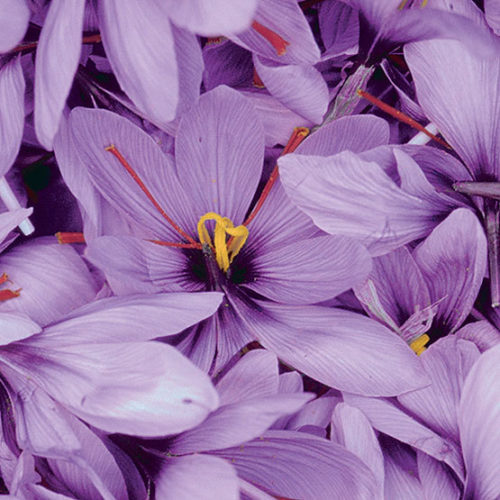
The saffron crocus blooms in the autumn, producing 1 to 5 rich lilac flowers with dark purple veins, held wide open above inconspicuous foliage.
Noteworthy characteristics: Plants may bloom well the first year, but sparsely thereafter. Generally will not flower in cool, wet areas. Saffron, called "the world's most expensive spice,"  is obtained from the long, conspicuous, deep red style. It takes about 14,000 stigma to make one ounce of saffron threads.
Care: Plant 3 to 4 inches deep in late summer. Likes full sun and gritty, poor to moderately fertile, well-drained soil. Prefers hot summers. Under glass, provide full light with gritty soil and ample water during growth. Keep dry during summer dormancy.
Propagation: Sterile, increasing only by division.
Problems: Mice, voles, and squirrels may eat the corms, while birds may pick off flowers. In storage, corms are prone to rots and molds.
Height Less than 6 in.
Spread Less than 6 in.
Growth Habit Clumps
Growth Pace Moderate Grower
Light Full Sun Only
Moisture Medium Moisture
Maintenance Moderate
Characteristics Showy Flowers
Bloom Time Fall
Flower Color Purple/ Lavender Flower
Uses Beds and Borders
Style Herb Garden, Rock Garden
Seasonal Interest Fall Interest
Type Perennials

Plants you might also like

Sedum cauticola Sedum cauticola
(Stonecrop)
Be the first to rate this plant
Hardiness Zones: 1 2 3 4 5 6 7 8 9 10 11

This Japanese native is perfect for the rock garden. It is a compact species with blue-green foliage and pink stems, and bears purplish-red flowers in fall. Sedum cauticola grows to about 3 inches tall and a foot wide.

Agastache foeniculum Agastache foeniculum
(Anise hyssop)
(2 user reviews)
Hardiness Zones: 1 2 3 4 5 6 7 8 9 10 11

A classic plant for both herb gardens and borders, anise hyssop is composed of erect branches of mint-and-licorice-scented, medium green leaves ending in fuzzy spikes of small lavender flowers. The plant grows to 3 to 5 feet tall and 1 foot wide and reseeds freely. The flowers are edible and are charming crumbled into salads. The flowers are highly attractive to bees, butterflies, and hummingbirds.

Viola tricolor Viola tricolor
(Heartsease, Johnny-jump-up, Love-in-idleness, Wild pansy)
(3 user reviews)
Hardiness Zones: 1 2 3 4 5 6 7 8 9 10 11

This annual, biennial, or short-lived perennial is grown for its long season of pansy flowers in shades of purple, blue, yellow, and white. Viola tricolor is pretty in containers, as edging, or as a companion for bulbs. It self-seeds readily.

Viola ‘Etain’ Viola ‘Etain’
Be the first to rate this plant
Hardiness Zones: 1 2 3 4 5 6 7 8 9 10 11

A hardworking, compact perennial, ‘Etain’ violet blooms intermittently throughout spring, summer, and fall. It forms wellbehaved clumps, unlike other violets that are usually spreading ground covers. Like all violets, ‘Etain’ enjoys regular fertilizing, steady watering, and frequent deadheading. The attractive, fleshy, bright green foliage needs protection from slugs and can be cut back if it gets too leggy.

Colchicum 'Waterlily' Colchicum 'Waterlily'
(Autumn crocus, Meadow saffron)
(1 user review)
Hardiness Zones: 1 2 3 4 5 6 7 8 9 10 11

Semi-erect, narrowly ovate leaves 7-10 inches long appear in spring and disappear by summer, followed by large, fully double, rosy lilac flowers resembling the blooms of a waterlily.