previous
  • Plants that Spark!
    Plants that Spark!
  • Plant an Easy-to-Water Strawberry Jar
    Plant an Easy-to-Water Strawberry Jar
  • 6 Tips for Weed Control
    6 Tips for Weed Control
  • Fragrant Plants for Pathways
    Fragrant Plants for Pathways
  • Dwarf Citrus Trees
    Dwarf Citrus Trees
  • In Pursuit of the Perfect Potting Shed
    In Pursuit of the Perfect Potting Shed
  • Homegrown / Homemade
    Homegrown / Homemade
  • Lawn Alternatives
    Lawn Alternatives
  • Mulch for a Healthy Garden
    Mulch for a Healthy Garden
  • Building a Compost Bin
    Building a Compost Bin
  • Containers as Focal Points
    Containers as Focal Points
  • Slideshow: Beautiful Clematis
    Slideshow: Beautiful Clematis
  • Designing with Curved Terraces
    Designing with Curved Terraces
  • Garden Confidential: A Plant Walks into a Bar
    Garden Confidential: A Plant Walks into a Bar
  • NEW Video Series: There's a Better Way
    NEW Video Series: There's a Better Way
  • Elephant's Ears
    Elephant's Ears
  • Colorful Selections for Shade
    Colorful Selections for Shade
  • Stylish Shady Containers
    Stylish Shady Containers
  • Make a Succulent Topiary
    Make a Succulent Topiary
  • Indeterminate or Determinate Tomatoes?
    Indeterminate or Determinate Tomatoes?
  • Thoughts From a Foreign Field
    Thoughts From a Foreign Field
  • Fast-Growing Trees for Impatient Gardeners
    Fast-Growing Trees for Impatient Gardeners
  • Comfortable Alfresco Dining
    Comfortable Alfresco Dining
  • Pretty in Pink
    Pretty in Pink
  • Save Money by Growing Your Own
    Save Money by Growing Your Own
next

Dividing Plants with Woody Roots

Length: 3:01

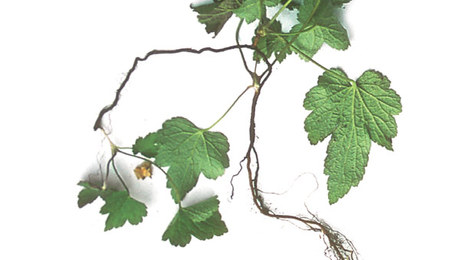
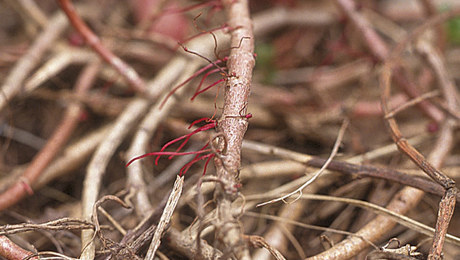
Woody perennials often form roots when stems rest on the ground or are buried by gradually accumulating mulch. Make a new plant by simply cutting between the rooted stem and the mother plant.

Plants that have woody roots include candytufts (Iberis spp. and cvs., Z 5–9), euonymus (Euonymus spp. and cvs., Z 4–9), lavenders (Lavandula spp. and cvs., Z 5–10), sages (Salvia spp. and cvs., Z 5–10).

In this video, author and instructor Janet Macunovich demonstrates how to divide woody plants.

Related videos
Introduction to Dividing Perennials
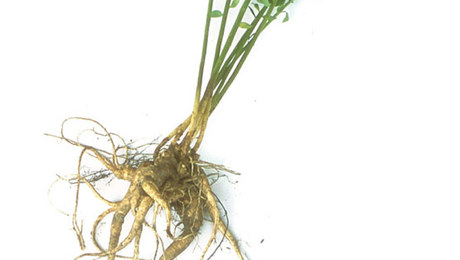
Dividing Plants with Roots That Form Offsets
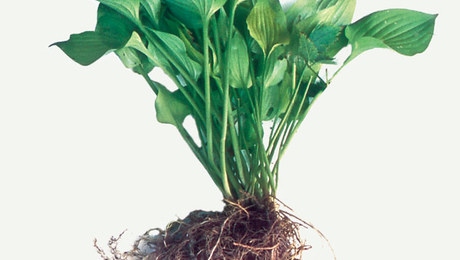
Dividing Plants with Surface Roots
Dividing Plants with Taproots
Dividing Plants with Underground Running Roots

Related Article
10 Tips on Dividing Perennials

Produced by: Gary Junken