
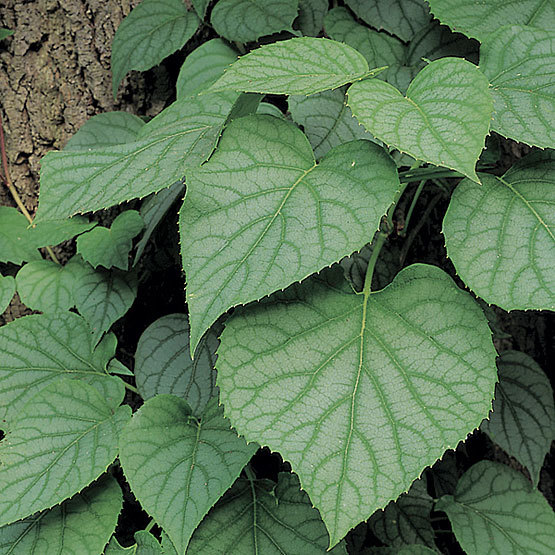
Two species of woody, deciduous climbers from China, Korea, and Japan form the genus Schizophragma. The showy flowerheads are borne in midsummer and look like lacecap hydrangea flowers, with large, conspicuous bracts. They are slightly fragrant. Grow against a wall or fence, or into a large tree. Schizophragma can grow to 40 feet.
Noteworthy CharacteristicsClimbs by aerial roots. Showy flowerheads resembling lacecap hydrangeas.
CarePlant at least 2 feet away from the support in moderately fertile, organically rich, moist but well-drained soil in full sun or part shade. Tie and train until established. Prune in spring.
PropagationBy greenwood cuttings in early summer or midsummer, or semi-ripe cuttings in late summer.
ProblemsInfrequent.




