previous
  • How to Start a Vegetable Garden
    How to Start a Vegetable Garden
  • Enchanting Japanese Maples
    Enchanting Japanese Maples
  • 10 Perennials Easily Grown from Seed
    10 Perennials Easily Grown from Seed
  • 25 Robust Summer Bloomers
    25 Robust Summer Bloomers
  • Perfect Edges for Your Beds and Borders
    Perfect Edges for Your Beds and Borders
  • Off With Their Heads: Deadheading Perennials
    Off With Their Heads: Deadheading Perennials
  • Bold and Beautiful Zinnias
    Bold and Beautiful Zinnias
  • Find the Perfect Tomato
    Find the Perfect Tomato
  • The Only Shrubs You Need to Grow
    The Only Shrubs You Need to Grow
  • Backyard Makeover Game
    Backyard Makeover Game
  • Friendly Ways to Battle Garden Pests
    Friendly Ways to Battle Garden Pests
  • A gardener's checklist for early summer
    A gardener's checklist for early summer
  • Make Your Own Hypertufa Container
    Make Your Own Hypertufa Container
  • All About Starting Seeds
    All About Starting Seeds
  • Soil Testing is Worth the Effort
    Soil Testing is Worth the Effort
  • Building a Compost Bin
    Building a Compost Bin
  • Viburnums are Versatile Shrubs
    Viburnums are Versatile Shrubs
  • Lilacs: Time for a Fresh Look
    Lilacs: Time for a Fresh Look
  • How to Grow Raspberries
    How to Grow Raspberries
  • 15 Deer-Resistant Plants
    15 Deer-Resistant Plants
  • Free Download: Rose Pruning and Bed Prep
    Free Download: Rose Pruning and Bed Prep
  • Video: Make a Straw-Bale Garden
    Video: Make a Straw-Bale Garden
  • Big Flowers from Bigleaf Hydrangeas
    Big Flowers from Bigleaf Hydrangeas
  • Variegated Plants Create Drama
    Variegated Plants Create Drama
  • Garden Catalog Collector
    Garden Catalog Collector
next

Genus Rubus

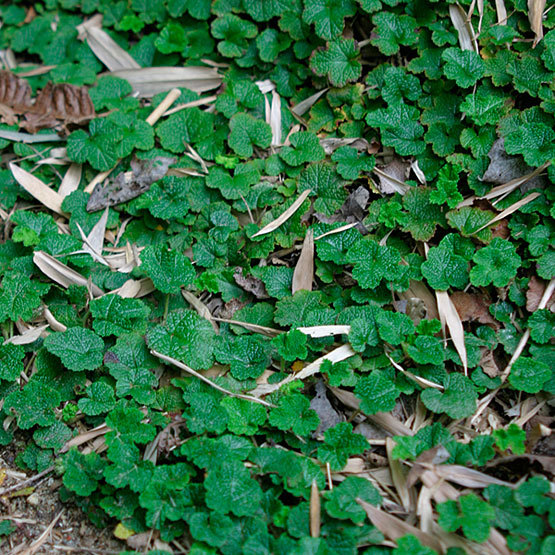
Rubus Rubus calycinoides Photo/Illustration: Michelle Gervais
ROO-bus
Rubus is a large genus of more than 250 species of mainly shrubs and climbers in the rose family. They are grown for their flowers, fruit, or colorful winter shoots. Flowers are saucer- or cup-shaped and pink, white, red, or purple. The berries of some species are edible. Stems are often prickly or thorny and, in some deciduous species, white or colorful in the winter months. Grow in a vegetable garden, in a border or wild area, or in a woodland garden.
Noteworthy characteristics: This genus includes blackberries and raspberries.
Care: Need well-drained, moderately fertile soil. Evergreen species can grow in sun or part shade, while deciduous species grown for their winter shoots should be sited in full sun. Pruning needs vary by species.
Propagation: Evergreens may be propagated by semi-ripe cuttings in summer or by detaching rooted pieces of prostrate stems between fall and spring. Root cuttings of deciduous plants in summer, or hardwood cuttings in early winter.
Problems: Cane blight, canker, anthracnose, powdery mildew, rust, Botrytis, Vertilcillium wilt, fireblight. Possible pests include scale insects, leafhoppers, and caterpillars.

Species, varieties and cultivars for genus Rubus

Rubus pentalobus Rubus pentalobus
(Creeping raspberry)
(1 user review)
Hardiness Zones: 1 2 3 4 5 6 7 8 9 10 11

This prostrate evergreen species produces a mass of richly textured leaves, making it an attractive groundcover for formal areas, rock gardens, or woodland beds. The leaves are thick, neatly rounded and formed, with bronzy undersides and autumn color that persists through the winter. In summer, it bears white flowers, which are sometimes followed by red fruits.

no image available Rubus strigosus
(American red raspberry, Grayleaf red raspberry)
Be the first to rate this plant
Hardiness Zones: 1 2 3 4 5 6 7 8 9 10 11

This native species flowers in summer, producing edible fruits and leaves suitable for making tea. It naturalizes in thickets, and grows well in wild areas in full sun or dappled shade.