Genus Mahonia

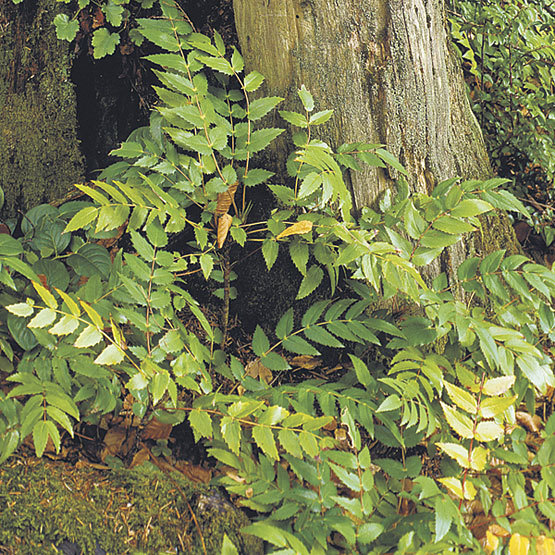
Mahonia Mahonia nervosa Photo/Illustration: David McDonald
mah-HOE-nee-ah
This genus of evergreen shrubs from woodland and rocky areas of the Himalayas, East Asia, and Central and North America is made up of species that are especially useful in shady conditions. They have handsome foliage resembling hollies and racemes or panicles of cup-shaped flowers (usually yellow) followed by purple or black berries that look like tiny grapes. Flowers are sometimes fragrant. Some species are also grown for their deeply fissured bark. Various species are valued as groundcovers or specimen plants, or for use in a shrub border or woodland garden.
Noteworthy characteristics: Evergreen, handsome leaves. Fragrant foliage, decorative fruits, interesting bark. Especially useful in shady conditions.
Care: Most species prefer full or partial shade, but they will tolerate full sun if moisture is adequate. They need fertile, moist but well-drained soil rich in organic matter. Some species require excellent drainage and sun. Shelter from wind. Prune annually after flowering by removing dead or damaged growth and trimming wayward shoots.
Propagation: Sow seed outdoors in a seedbed or in pots as soon as ripe or in the fall. Stratify seeds for best germination rates. Root semi-ripe or leaf-bud cuttings from late summer to autumn.
Problems: Rust, leaf spots, galls, scale insects, and whiteflies.

Species, varieties and cultivars for genus Mahonia

Mahonia × media 'Charity' Mahonia × media 'Charity'
('Charity' mahonia)
Be the first to rate this plant
Hardiness Zones: 1 2 3 4 5 6 7 8 9 10 11

Few shrubs offer flowers as late as this one, which starts blooming in late October or early November. The upright, 10- to 12-inch-wide flower clusters last until January or February, then give way to long strings of dark purple fruit that the birds devour. The evergreen foliage is so architectural, 'Charity' would be a spectacular shrub even if it didn't bloom. Some years, the leaves turn red, but instead of relying on it, consider it a pleasant surprise when it happens.

Mahonia nervosa Mahonia nervosa
(Longleaf Oregon grape)
Be the first to rate this plant
Hardiness Zones: 1 2 3 4 5 6 7 8 9 10 11

A 2-foot-high evergreen shrub native to the woods and woodland edges of the Pacific Northwest, mahonia gives a shady area three seasons of interest. Erect racemes covered with clear yellow flowers rise from the plant's leaf axils or from the main stem tip in spring. In contrast to these upright blooms are long, elegant, compound leaves made up of leaflets with spiny edges. In fall, some leaves turn a lovely wine-red. During summer, clusters of berries mature to dark blue with a powdery whitish coating.