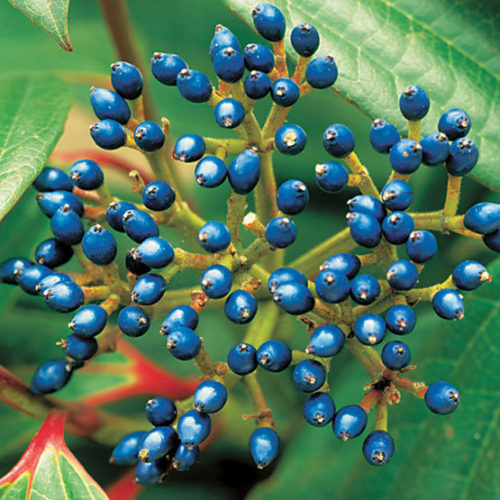
This woody, multi-stemmed, deciduous shrub has a rounded shape and grows 5 to 9 feet tall and wide. It has toothed leaves and small, creamy white flowers in May to June that mature to bluish black spherical fruits.
Noteworthy CharacteristicsArrowwood viburnum is useful in mass plantings and groupings. It's easy to transplant.
CareHighly adaptable, it can take some shade but prefers full sun.
PropagationTake greenwood cuttings in summer.
ProblemsGray mold (Botrytis), rust, downy mildew, powdery mildew, wood rot, Verticillium wilt, leaf spots, and dieback. Aphids, scale insects, weevils, Japanese beetles, mealybugs, Viburnum beetle, tree hoppers.
- Genus : Viburnum
- Zones : 3, 4, 5, 6, 7, 8
- Plant Height : 6 to 10 feet
- Plant Width : 6 to 10 feet
- Moisture : Adaptable
- Light : Full Sun
- Bloom Time : Late Spring
- Maintenance : Low
- Growth Rate : Moderate
- Plant Type : Shrubs
- Plant Seasonal Interest : Spring Interest
- Flower Color : White