
previous
  • Viburnums are Versatile Shrubs
    Viburnums are Versatile Shrubs
  • How to Start a Vegetable Garden
    How to Start a Vegetable Garden
  • 25 Robust Summer Bloomers
    25 Robust Summer Bloomers
  • 15 Deer-Resistant Plants
    15 Deer-Resistant Plants
  • Make Your Own Hypertufa Container
    Make Your Own Hypertufa Container
  • Find the Perfect Tomato
    Find the Perfect Tomato
  • 10 Perennials Easily Grown from Seed
    10 Perennials Easily Grown from Seed
  • How to Grow Raspberries
    How to Grow Raspberries
  • Backyard Makeover Game
    Backyard Makeover Game
  • Building a Compost Bin
    Building a Compost Bin
  • Off With Their Heads: Deadheading Perennials
    Off With Their Heads: Deadheading Perennials
  • Big Flowers from Bigleaf Hydrangeas
    Big Flowers from Bigleaf Hydrangeas
  • A gardener's checklist for early summer
    A gardener's checklist for early summer
  • Bold and Beautiful Zinnias
    Bold and Beautiful Zinnias
  • All About Starting Seeds
    All About Starting Seeds
  • Video: Make a Straw-Bale Garden
    Video: Make a Straw-Bale Garden
  • Perfect Edges for Your Beds and Borders
    Perfect Edges for Your Beds and Borders
  • Soil Testing is Worth the Effort
    Soil Testing is Worth the Effort
  • Lilacs: Time for a Fresh Look
    Lilacs: Time for a Fresh Look
  • The Only Shrubs You Need to Grow
    The Only Shrubs You Need to Grow
  • Variegated Plants Create Drama
    Variegated Plants Create Drama
  • Enchanting Japanese Maples
    Enchanting Japanese Maples
  • Free Download: Rose Pruning and Bed Prep
    Free Download: Rose Pruning and Bed Prep
  • Garden Catalog Collector
    Garden Catalog Collector
  • Friendly Ways to Battle Garden Pests
    Friendly Ways to Battle Garden Pests
next

Genus Polystichum

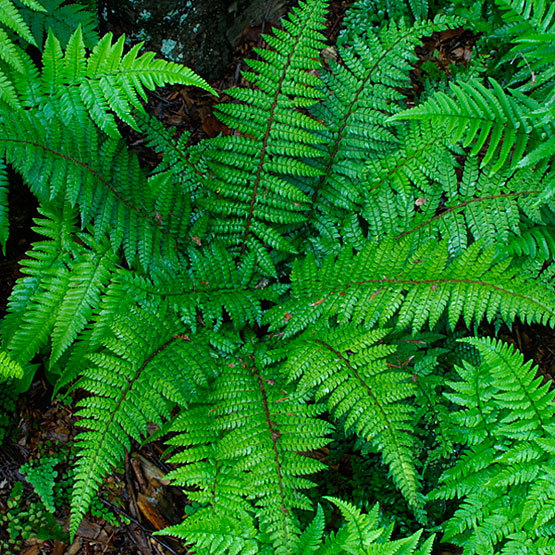
Polystichum Polystichum makinoi Photo/Illustration: Steve Aitken
pol-ISS-tih-kum
The genus Polystichum is comprised of 200 species of mostly evergreen, terrestrial ferns that are found worldwide in a variety of habitats. These excellent foliage plants are useful in rock or shade gardens, ferneries, in borders, or as woodland groundcovers. They can also be grown in a greenhouse where not hardy. Their lance-shaped, pinnate fronds are usually arranged in a shuttlecock shape. Some species bear fronds that are glossy, leathery, or hairy. Polystichum offer a long season of interest and combine well with many types of plants.
Noteworthy characteristics: Lance-shaped fronds that thrive in shade. Generally trouble-free.
Care: Polystichum species need fertile, humusy, well-drained soil in full or part shade. Tidy up by removing dead fronds before new growth unfurls.
Propagation: Divide in spring. Separate fronds with bulbils in autumn. Sow spores at 59° to 61°F when ripe.
Problems: Infrequent.

Species, varieties and cultivars for genus Polystichum

Polystichum acrostichoides Polystichum acrostichoides
(Christmas fern)
Be the first to rate this plant
Hardiness Zones: 1 2 3 4 5 6 7 8 9 10 11

The Christmas fern is a particularly accommodating garden plant. It is adapted to a wide range of conditions, from very dry to moist, and is hardy to Zone 3. The plant’s 1- to 2-foot fronds are dependably evergreen—hence the common name—but they lie flat on the ground through the winter. Few hardy ferns have more beautiful deep, glossy green foliage.

Polystichum makinoi Polystichum makinoi
(Makinoi's holly fern)
Be the first to rate this plant
Hardiness Zones: 1 2 3 4 5 6 7 8 9 10 11

This evergreen terrestial fern has a somewhat formal look due to its satiny olive-green fronds and neat, arching habit.

Polystichum munitum Polystichum munitum
(Western sword fern)
Be the first to rate this plant
Hardiness Zones: 1 2 3 4 5 6 7 8 9 10 11

Western sword ferns abound in the forests of the Northwestern U.S. They are robust, reliable, and virtually maintenance-free. They put up with difficult soil and manage to keep up appearances even in hot, dry weather. Their deep green, leathery fronds are attractive year-round.


