
previous
  • Meet Our Mini-Magazines
    Meet Our Mini-Magazines
  • Mulch for a Healthy Garden
    Mulch for a Healthy Garden
  • Containers as Focal Points
    Containers as Focal Points
  • Garden Confidential: A Plant Walks into a Bar
    Garden Confidential: A Plant Walks into a Bar
  • Dwarf Citrus Trees
    Dwarf Citrus Trees
  • NEW Video Series: There's a Better Way
    NEW Video Series: There's a Better Way
  • In Pursuit of the Perfect Potting Shed
    In Pursuit of the Perfect Potting Shed
  • Thoughts From a Foreign Field
    Thoughts From a Foreign Field
  • Colorful Selections for Shade
    Colorful Selections for Shade
  • Indeterminate or Determinate Tomatoes?
    Indeterminate or Determinate Tomatoes?
  • 6 Tips for Weed Control
    6 Tips for Weed Control
  • Designing with Curved Terraces
    Designing with Curved Terraces
  • Homegrown / Homemade
    Homegrown / Homemade
  • Plant an Easy-to-Water Strawberry Jar
    Plant an Easy-to-Water Strawberry Jar
  • Stylish Shady Containers
    Stylish Shady Containers
  • Fine Gardening's Tip Off!
    Fine Gardening's Tip Off!
  • Save Money by Growing Your Own
    Save Money by Growing Your Own
  • Building a Compost Bin
    Building a Compost Bin
  • Fast-Growing Trees for Impatient Gardeners
    Fast-Growing Trees for Impatient Gardeners
  • Comfortable Alfresco Dining
    Comfortable Alfresco Dining
  • Elephant's Ears
    Elephant's Ears
  • Fragrant Plants for Pathways
    Fragrant Plants for Pathways
  • Slideshow: Beautiful Clematis
    Slideshow: Beautiful Clematis
  • Pretty in Pink
    Pretty in Pink
  • Make a Succulent Topiary
    Make a Succulent Topiary
next

Genus Hesperaloe

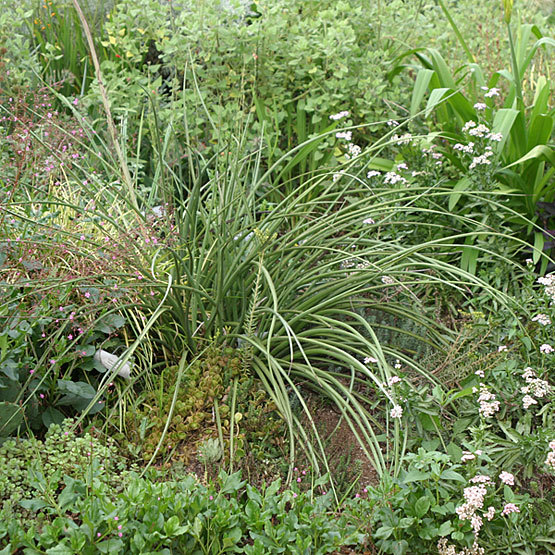
Hesperaloe Hesperaloe parviflora Photo/Illustration: Jennifer Benner
hess-per-AL-oh
Hesperaloe contains a few species in the agave family from Texas and northern Mexico. Evergreen clumps of grassy leaves and spikes of bell-shaped flowers make these plants nice additions to a xeric bed. They often attract hummingbirds. Hesperaloe are low-maintenance, long-blooming plants.
Noteworthy characteristics: Grassy clumps of foliage in rosette form. Bell-shaped flowers. Resembles yuccas.
Care: Grow in full sun or part shade in well-drained rocky or sandy soil.
Propagation: Start from seed or divide clumps in winter.

Species, varieties and cultivars for genus Hesperaloe

Hesperaloe parviflora Hesperaloe parviflora
(Red yucca)
(1 user review)
Hardiness Zones: 1 2 3 4 5 6 7 8 9 10 11

A clump-forming succulent, red yucca has arching, leathery, linear foliage rising to between 2 and 3 feet tall. Dark olive-green leaves with no thorns or spines are sparsely covered with fibrous strands along the margins. Deep coral pink flowers with golden yellow throats crowd the length of the stalks that reach three feet or more. Foliage has a reddish bronze hue during winter's chill for year-round interest.


