
previous
  • Off With Their Heads: Deadheading Perennials
    Off With Their Heads: Deadheading Perennials
  • A gardener's checklist for early summer
    A gardener's checklist for early summer
  • Find the Perfect Tomato
    Find the Perfect Tomato
  • Viburnums are Versatile Shrubs
    Viburnums are Versatile Shrubs
  • How to Start a Vegetable Garden
    How to Start a Vegetable Garden
  • Perfect Edges for Your Beds and Borders
    Perfect Edges for Your Beds and Borders
  • The Only Shrubs You Need to Grow
    The Only Shrubs You Need to Grow
  • 25 Robust Summer Bloomers
    25 Robust Summer Bloomers
  • Backyard Makeover Game
    Backyard Makeover Game
  • 10 Perennials Easily Grown from Seed
    10 Perennials Easily Grown from Seed
  • 15 Deer-Resistant Plants
    15 Deer-Resistant Plants
  • Video: Make a Straw-Bale Garden
    Video: Make a Straw-Bale Garden
  • Soil Testing is Worth the Effort
    Soil Testing is Worth the Effort
  • All About Starting Seeds
    All About Starting Seeds
  • Enchanting Japanese Maples
    Enchanting Japanese Maples
  • Friendly Ways to Battle Garden Pests
    Friendly Ways to Battle Garden Pests
  • How to Grow Raspberries
    How to Grow Raspberries
  • Garden Catalog Collector
    Garden Catalog Collector
  • Free Download: Rose Pruning and Bed Prep
    Free Download: Rose Pruning and Bed Prep
  • Variegated Plants Create Drama
    Variegated Plants Create Drama
  • Bold and Beautiful Zinnias
    Bold and Beautiful Zinnias
  • Building a Compost Bin
    Building a Compost Bin
  • Make Your Own Hypertufa Container
    Make Your Own Hypertufa Container
  • Lilacs: Time for a Fresh Look
    Lilacs: Time for a Fresh Look
  • Big Flowers from Bigleaf Hydrangeas
    Big Flowers from Bigleaf Hydrangeas
next

Genus Euonymus (Spindle tree)

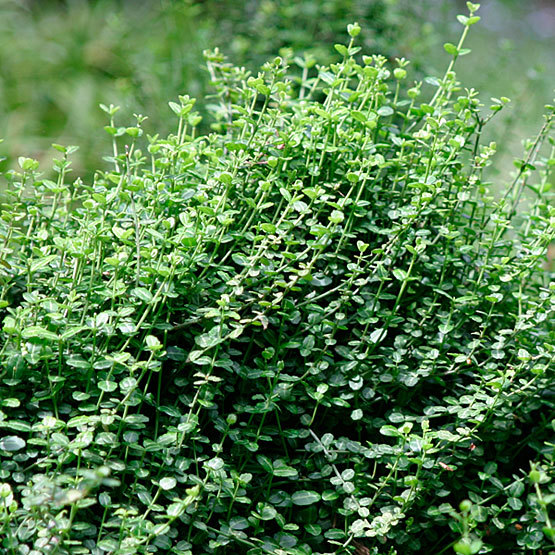
Euonymus Euonymus fortunei 'Minimus' Photo/Illustration: Michelle Gervais
yew-ON-ih-mus Common Name: Spindle tree
The genus Euonymus is comprised of 175 species of shrubs, trees, and climbers grown for their attractive foliage, interesting fruit, and good autumn color. Most are native to Asia. Euonymus have a variety of uses in the garden, including as part of a shrub border or as specimens, hedges, or groundcovers.
Noteworthy characteristics: Nice autumn color and ornamental fruit. All parts cause mild stomach discomfort if eaten.
Care: Tolerates most any well-drained soil in full sun or light shade. Evergreens need a sheltered site, while variegated plants show best in sun.
Propagation: As soon as seeds ripen, sow them in containers in a cold frame. Deciduous species can be started from greenwood cuttings in summer. Propagate evergreen species in summer from semi-ripe cuttings.
Problems: Witches' broom, stem dieback, powdery mildew, and fungal spots. Some pests and diseases can cause problems both in the garden and indoors, including mites, scale insects, leaf miners, aphids, and mealybugs.


Species, varieties and cultivars for genus Euonymus

Euonymus alatus Euonymus alatus
(Burning bush, Winged spindle tree)
Be the first to rate this plant
Hardiness Zones: 1 2 3 4 5 6 7 8 9 10 11

The familiar burning bush is a dense, flat-topped, deciduous shrub with a rounded, horizontal branching habit. Reddish purple fruit grows beneath the simple, finely toothed, dark green leaves. Foliage turns an extremely showy bright red in autumn. Smaller cultivars exist.

Euonymus atropurpureus Euonymus atropurpureus
(Eastern wahoo)
(1 user review)
Hardiness Zones: 1 2 3 4 5 6 7 8 9 10 11

Because it is a relative of the immensely popular burning bush (E. alatus), it isn't surprising that eastern wahoo has great fall color. This North American native grows as a small tree in the southern part of its range and as a large shrub on the Plains. The bright red of its fall foliage is amplified and extended by abundant clusters of scarlet fruits that persist after the leaves have fallen, providing color even into midwinter. Eastern wahoo is effective as an accent plant or when massed wherever a bold, surprising splash of color is desired.

Euonymus fortunei 'Minimus' Euonymus fortunei 'Minimus'
(Dwarf wintercreeper)
Be the first to rate this plant
Hardiness Zones: 1 2 3 4 5 6 7 8 9 10 11

'Minimus' has smaller leaves than other plants of the species and a very low-growing, spreading habit. This evergreen shrub is best used as a groundcover, but it can climb as a vine if given support. It forms a dense mat of quarter-inch leaves. It may suffer winter burn in cold climates.

no image available Euonymus fortunei cvs.
(Wintercreeper)
Be the first to rate this plant
Hardiness Zones: 1 2 3 4 5 6 7 8 9 10 11

Prostrate to mound-forming, vigorous evergreen shrubs have oval, toothed, dark green leaves. Cultivars vary in foliage color and variegation, form, climbing or creeping habit, and fall interest.


