
previous
  • NEW Video Series: There's a Better Way
    NEW Video Series: There's a Better Way
  • Designing with Curved Terraces
    Designing with Curved Terraces
  • 6 Tips for Weed Control
    6 Tips for Weed Control
  • Building a Compost Bin
    Building a Compost Bin
  • Plants that Spark!
    Plants that Spark!
  • Mulch for a Healthy Garden
    Mulch for a Healthy Garden
  • Elephant's Ears
    Elephant's Ears
  • Plant an Easy-to-Water Strawberry Jar
    Plant an Easy-to-Water Strawberry Jar
  • Slideshow: Beautiful Clematis
    Slideshow: Beautiful Clematis
  • In Pursuit of the Perfect Potting Shed
    In Pursuit of the Perfect Potting Shed
  • Make a Succulent Topiary
    Make a Succulent Topiary
  • Lawn Alternatives
    Lawn Alternatives
  • Indeterminate or Determinate Tomatoes?
    Indeterminate or Determinate Tomatoes?
  • Fast-Growing Trees for Impatient Gardeners
    Fast-Growing Trees for Impatient Gardeners
  • Containers as Focal Points
    Containers as Focal Points
  • Fragrant Plants for Pathways
    Fragrant Plants for Pathways
  • Thoughts From a Foreign Field
    Thoughts From a Foreign Field
  • Garden Confidential: A Plant Walks into a Bar
    Garden Confidential: A Plant Walks into a Bar
  • Comfortable Alfresco Dining
    Comfortable Alfresco Dining
  • Homegrown / Homemade
    Homegrown / Homemade
  • Colorful Selections for Shade
    Colorful Selections for Shade
  • Pretty in Pink
    Pretty in Pink
  • Stylish Shady Containers
    Stylish Shady Containers
  • Dwarf Citrus Trees
    Dwarf Citrus Trees
  • Save Money by Growing Your Own
    Save Money by Growing Your Own
next

Genus Acanthus (Bear's breeches)

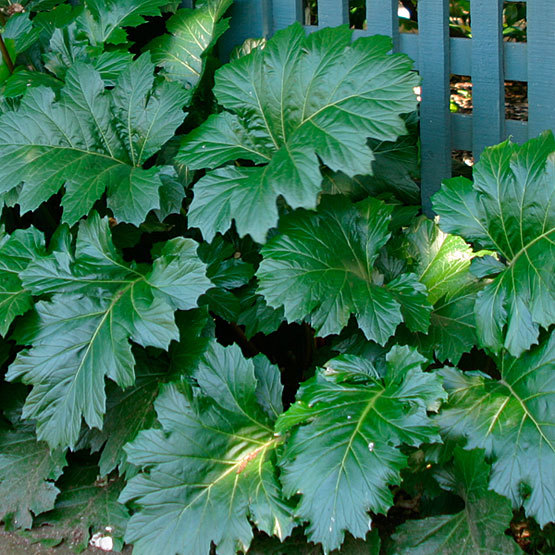
Acanthus Acanthus mollis Photo/Illustration: Michelle Gervais
ah-KAN-thus Common Name: Bear's breeches
Plants in this genus are native to rocky, dry sites in the Mediterranean. Vigorous and bold, these architectural plants are grown for their striking foliage and flowers. Dark green oblong to lance-shaped leaves reach to 36 inches long. Flowers are borne on 4-foot-tall racemes with spiny bracts and sepals in combinations of white, green, yellow, pink, or purple. 
Noteworthy characteristics: Flowers are good for cutting and drying.
Care: Tolerates most any soil in sun or part shade, but they prefer deep, fertile, moist but well-drained, organically rich soil.
Propagation: Sow seeds in spring, divide plants in spring or autumn, or take root cuttings in late autumn or early winter. Sow indoors in full or filtered light. Outdoors, sow in any soil in sun or part shade.
Problems: Powdery mildew, fungal and bacterial leaf spot.

Species, varieties and cultivars for genus Acanthus

Acanthus mollis Acanthus mollis
(Bear's breeches)
(5 user reviews)
Hardiness Zones: 1 2 3 4 5 6 7 8 9 10 11

Acanthus mollis is prized for its bold clumps of shiny green leaves topped with striking, 3-foot-tall spires of white flowers which are clasped by showy purple bracts. This is a great plant for an eye-catching structural element in a part-shade border.

Acanthus mollis 'Tasmanian Angel' Acanthus mollis 'Tasmanian Angel'
(Bear's breeches)
(1 user review)
Hardiness Zones: 1 2 3 4 5 6 7 8 9 10 11

With their white margins and mottling, the jagged leaves of 'Tasmanian Angel' are a real showshopper, and in late summer, 3-foot-tall, pink-and-cream flower stalks heighten the effect. The variegation may be less pronounced as the leaves age, but the plant still draws the eye. Use it as a multiseason container specimen or as a bedding plant. -Allan Armitage, Plants to know and grow, Fine Gardening issue #119


