previous
  • Spectacular Spring Bloomers
    Spectacular Spring Bloomers
  • Video: Make a Straw-Bale Garden
    Video: Make a Straw-Bale Garden
  • All About Starting Seeds
    All About Starting Seeds
  • Make Your Own Hypertufa Container
    Make Your Own Hypertufa Container
  • Sweetly Scented Tulips
    Sweetly Scented Tulips
  • Lilacs: Time for a Fresh Look
    Lilacs: Time for a Fresh Look
  • Friendly Ways to Battle Garden Pests
    Friendly Ways to Battle Garden Pests
  • Garden Catalog Collector
    Garden Catalog Collector
  • Design an Engaging Entryway
    Design an Engaging Entryway
  • Backyard Makeover Game
    Backyard Makeover Game
  • The Only Shrubs You Need to Grow
    The Only Shrubs You Need to Grow
  • Cool-Season Annuals
    Cool-Season Annuals
  • Variegated Plants Create Drama
    Variegated Plants Create Drama
  • How to Start a Vegetable Garden
    How to Start a Vegetable Garden
  • Soil Testing is Worth the Effort
    Soil Testing is Worth the Effort
  • Find the Perfect Tomato
    Find the Perfect Tomato
  • 10 Perennials Easily Grown from Seed
    10 Perennials Easily Grown from Seed
  • Enchanting Japanese Maples
    Enchanting Japanese Maples
  • A Gardener's Checklist for Early Spring
    A Gardener's Checklist for Early Spring
  • 15 Deer-Resistant Plants
    15 Deer-Resistant Plants
  • Celebrate Spring with Cool-Season Containers
    Celebrate Spring with Cool-Season Containers
  • Viburnums are Versatile Shrubs
    Viburnums are Versatile Shrubs
  • How to Grow Raspberries
    How to Grow Raspberries
  • Perfect Edges for Your Beds and Borders
    Perfect Edges for Your Beds and Borders
  • Building a Compost Bin
    Building a Compost Bin
next

continued 1| 2next>View all

Hot Composting vs. Cold Composting

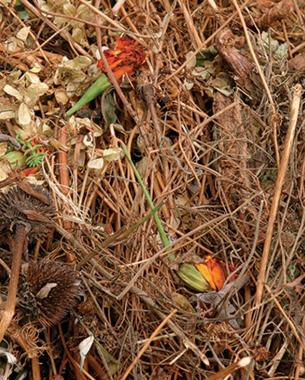
Hot composting is faster but requires attention to keep carbon and nitrogen in the optimum ratio

Whether you want quick results or are content to let compost "happen" at its own speed, there is a method for you. Either way, you'll get a terrific soil amendment for your garden.

Hot composting
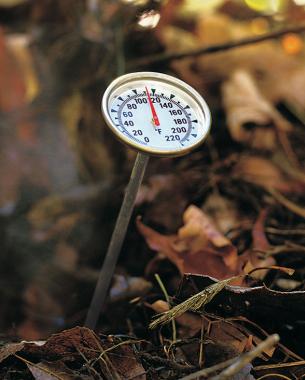
Temperatures rising in a hot-compost pile come from the activity of numerous organisms breaking down organic matter. To keep a pile running hot, pay attention to four elements: carbon, nitrogen, water, and air.

Temperatures rising in a hot-compost pile come from the activity of numerous organisms breaking down organic matter. To keep a pile running hot, pay attention to four elements: carbon, nitrogen, water, and air.

Photo/Illustration: Scott Phillips

A hot pile requires enough high-nitrogen materials to get the pile to heat up. The ratio by volume should be 2 parts carbon to 1 part nitrogen. To aid in decomposition, keep the mixture as damp as a wrung-out sponge but not sopping wet. A variety of different-size mate rials (like twigs, stalks, straw, or hay) creates air pockets. You also increase the air/oxygen exchange every time you turn the pile.

If the pile is built correctly, it will heat up within 24 to 36 hours to the ideal temperature of 141°F to 155°F (weed seeds and disease pathogens die at these temperatures) and will maintain its temperature for several days to a week or longer. Use a compost thermometer to monitor the temperature. If the temperature starts to drop or if it gets hotter than 160°F, turn the pile again and add water. This should be done several times. A hot pile takes more effort but will produce compost more quickly—in several weeks to several months.

 2 parts carbon    1 part nitrogen
Includes “brown” items like:
• autumn leaves
• wood chips
• shredded paper
  Includes “green” items like:
• grass clippings
• fruit and vegetable waste
• animal manure (but no pet or human waste)

Cold composting

Cold composting requires minimal effort but may take a year or two before it produces compost you can use in your garden.

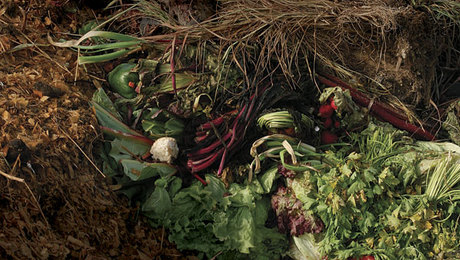
Cold composting requires minimal effort but may take a year or two before it produces compost you can use in your garden.

Photo/Illustration: Steven Cominsky

A cold pile requires minimal effort but may take a year or two before it produces compost you can use in your garden. This method of composting has two steps: Put your waste in a pile, and wait. You can think of cold composting as the add-as-you-have-materials pile. The time needed to have finished compost is hard to estimate because it depends on the materials in your pile and the size of the particles. The smaller the particles, the faster they will break down. Do not put in weeds that have gone to seed or diseased plants. Without high temperatures to kill off weed seeds or disease pathogens, you will be spreading these bad guys around your landscape.

For more on composting techniques and equipment, see All About Compost on VegetableGardener.com.
From 130 , pp. 42-43

continued 1| 2next>View all