
Maybe it’s the optimist in me, but I feel as though we’ve reached a tipping point with regard to the public’s awareness and acceptance of our responsibility to do something about global warming. Former Vice President Al Gore’s documentary, An Inconvenient Truth, helped frame the discussion and place it squarely in the public eye. Many businesses are beginning to embrace environmental responsibility. Now it’s our turn to make sure we live lightly—and responsibly—on our land. We gardeners, after all, dig our hands right into the earth, so we should be the first to steward it properly. Employing the following recommendations is just a little step but one in the right direction.
How to reduce your home’s impact
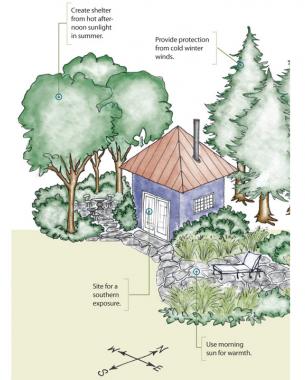
Look south. One way we can keep our imprint on the Earth light and clear is to use less fossil fuel by being smart about how we site our homes. If you are planning to build a house, situate it so that it faces south, maximizing sun exposure in winter and southwest breezes in summer.
Plant for shade in the afternoon. If your home is already built, you can lower your fuel use by planting a deciduous shade tree to the west of the house to filter harsh afternoon sun. Allow for an area of sunlight.a basking place. in the southeast morning sun.
Protect from winter winds. Locate evergreens to the north to provide protection from severe winter winds. Ancient cultures also built according to these principles: Feng shui masters suggested that a property face and drain to the south and be backed by hills or vegetation to the north, east, and west, with the tallest tree or highest hill located to the northeast to ward off evil spirits that were thought to come from that direction.
How to reduce your garden’s impact
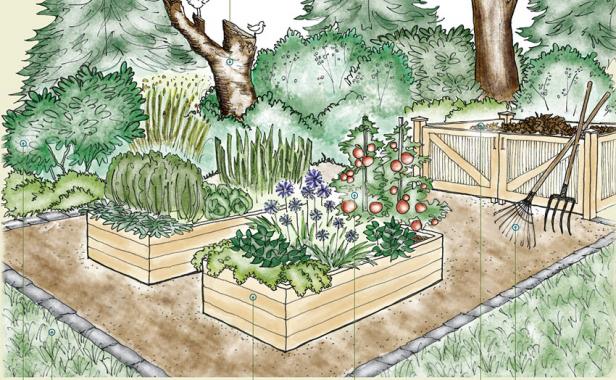
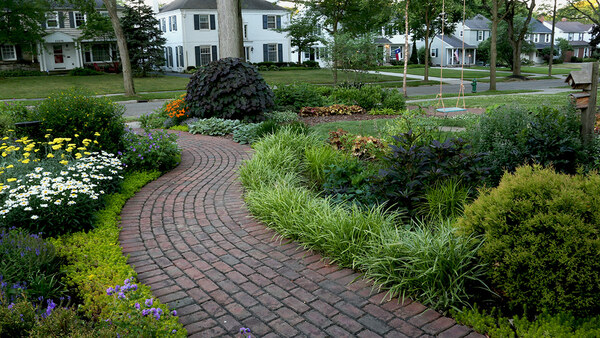
Attract wildlife. Another way to live lightly is to respect the planet and all its inhabitants, so consider your property's potential as a wildlife habitat. For instance, leave that dead tree stump as a perch and an insect buffet for birds. Create mixed hedges with native plants to give birds and small animals food and shelter. especially in an otherwise overly manicured residential area. Thickets and bamboo groves may also provide safe, exploratory habitats for neighborhood children, as well as critters.
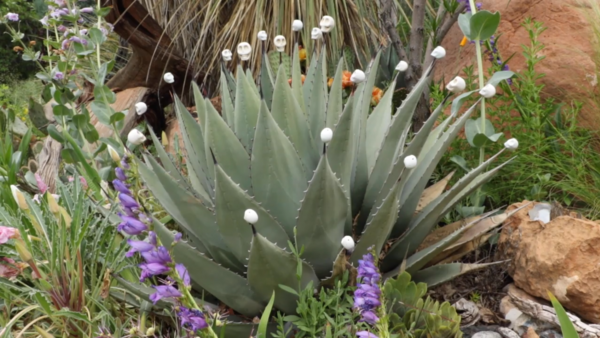
Be waterwise. Reducing water usage will help sustain one of Earth's increasingly scarce resources. Use the right plant in the right place to minimize the need for irrigation. Selecting plants native to your region (thus adapted to your environment) will also reduce excess water use while providing the additional benefit of bringing the natural landscape into your own small piece of the world.
Choose a different lawn. Use native grasses such as buffalo grass (Buchloe dactyloides and cvs., USDA Hardiness Zones 3.11), rather than a conventional seed mix, to create a sustainable lawn. Buffalo grass is cold hardy, drought tolerant, and thrives from Arizona to the Dakotas. It will grow into a dense, green lawn needing minimal water and little or no mowing.
Make your own soil. If you grow your own herbs and vegetables in small raised beds, you can control the soil quality from the beginning. Compost your kitchen vegetable waste and garden clippings, and fill your raised beds with organic soil, organic compost, and earthworms to eliminate the need for synthetic fertilizers.
Use your own power. Using environmentally responsible maintenance equipment is another way to limit your use of fossil fuels. Rather than employing a leaf blower, electric hedge trimmer, or riding lawn mower, get more out of maintenance by raking, clipping, and pushing a reel mower. You'll be exercising while saving the planet and yourself from the noxious fumes. In Los Angeles, a new law has banned the use of gas-powered leaf blowers because they not only are noise polluters but also pump huge quantities of carbon dioxide and petrol fumes into the atmosphere.
Select materials carefully. Your material choices also make an impact in the world. New decking and fencing materials include recycled plastics. While I personally prefer the look of sustainable hardwoods, such as ipe and mahogany, I applaud the effort. One problem that I've found, for instance, is that recycled decking is nearly impossible to renew or repair once scuffed or stained. Mulch made of recycled rubber tires sounds great, but how good is it to pollute garden soil with a mulch that will never break down?





Comments
Skipping the lawn altogether is a more responsible choice than choosing Buffalo Grass. This article is a good start for gardeners who have never considered a more ecologically sound approach but I'd love to see it go deeper.
Log in or create an account to post a comment.
Sign up Log in